
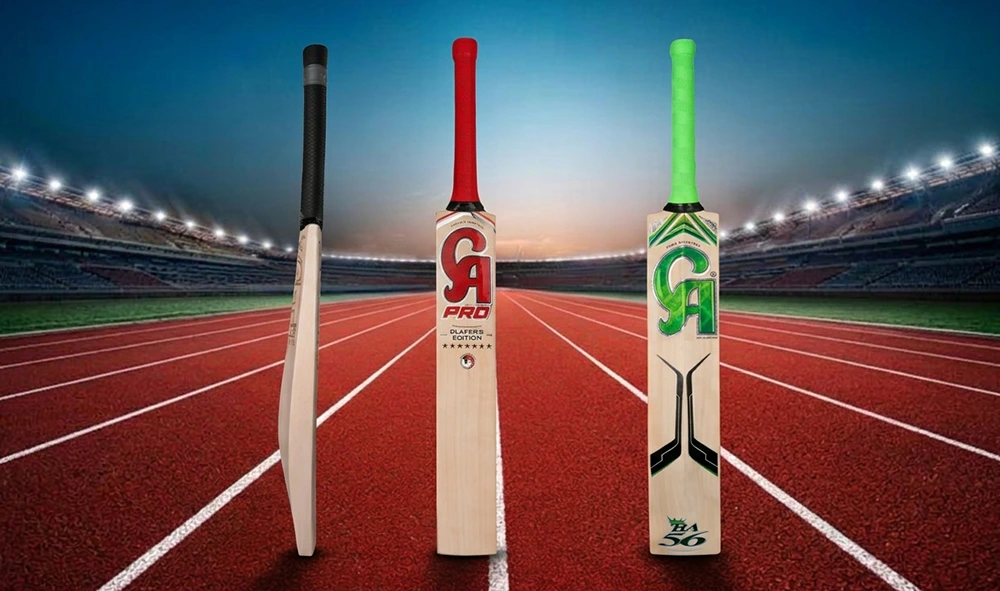
How Does Cricket Bat Profile Affect Your Shots?
Most players choose a bat by brand, weight, or price. The profile, which is the shape of the blade and the way the wood is spread across it, quietly decides far more about how your shots feel. Two bats can weigh the same and still play completely differently, and the profile is the reason why?
Quick answer:A cricket bat profile sets where the sweet spot sits on the blade and how the bat picks up in your hands. A higher sweet spot suits back foot players who cut and pull on bouncy pitches. A lower sweet spot helps front foot drivers on slower pitches. A mid profile is the balanced all-rounder for mixed conditions. The right profile is the one that matches the shots you play most.
What a Bat Profile Actually Is
The profile is how the willow is distributed from the shoulders down to the toe. It covers the height of the spine, the thickness of the edges, and most importantly the position of the swell, which is the thickest part of the blade. That swell position is what players usually mean by the sweet spot.
When you middle the ball on the swell, energy moves cleanly into the ball with very little sting in your hands. Hit above or below it, and you lose both control and power. So the real question is simple. Where does your bat put its sweet spot, and does that match where you naturally make contact?
How the Sweet Spot Position Changes Your Shots
Moving the swell up or down the blade changes which shots the bat rewards.
Profile | Sweet spot | Shots it rewards | Best suited to |
High | Higher up the blade | Cuts, pulls, back foot punches | Back foot players on bouncy, quicker pitches |
Mid | Centre of the blade | Drives, cuts and defence equally | All-round players and mixed conditions |
Low | Nearer the toe | Front foot drives, flicks, lofted shots | Front foot players on slower, lower pitches |
A high profile carries its mass higher, so the bat feels lighter to lift and moves quickly. That speed is what lets you adjust late to a rising ball and roll the wrists on a pull. A low profile carries its mass down near the toe, which puts more wood behind a full delivery and helps you drive and loft on the front foot. A mid profile keeps the balance central, so it handles both drive and cut without favouring either.
Why Pick-Up Matters More Than the Sticker Weight
Pick-up is how heavy a bat feels when you lift and swing it, and the profile controls it directly. A bat with its weight low in the blade feels heavier to raise than a bat of the same listed weight with the weight sitting higher, because the lever in your hands is longer.
This is the point most buyers miss. The number printed on the bat only tells you the dead weight. Your hands tell you how that weight is spread, and that is what you feel on every shot. A well-balanced bat will almost always play better than a bat that is lighter on paper but awkward through the swing.
How to Match a Profile to Your Game
You do not need to memorise specifications. You need to be honest about how you score your runs.
1. Watch where you hit the ball: If most of your runs come square on the back foot, lean towards a higher sweet spot. If you drive and work the ball in front of the wicket, a lower sweet spot suits you.
2. Think about your pitches: Bouncy, true surfaces reward a higher profile. Slower, lower pitches reward a lower one. If conditions vary week to week, a mid profile keeps your options open.
3. Judge the pick-up, not the shape: Lift the bat, take your stance, and shadow a few of your real shots. The blade should feel like an extension of your arms, not a weight you fight.
4. Respect your strength and level: A big, dramatic-looking profile is not a better bat if you cannot move it quickly. Juniors in particular should pick a manageable blade so their technique can develop naturally.
Which CA Sports Bats Fit Which Player
CA Sports has hand-crafted cricket bats in Sialkot since 1958, and the range covers every type of player. Club and serious players can choose from the CA Sports English willow bats, which offer the responsive, lighter feel that rewards timing and clean stroke play. Beginners and growing players are well served by the wider CA Sports cricket bats range, which includes tougher, more affordable options along with junior and harrow sizes for younger cricketers. Whichever you choose, pick up the bat, play your natural shots, and let the feel guide you rather than the look.
FAQs
Does bat profile matter more than weight?
Both matter, and they work together. Weight affects how fast you can swing, while profile decides where the sweet spot sits and how the bat picks up. The best bat combines a weight you can control with a profile that suits your shots.
What profile is best for front foot players?
A low or mid sweet spot usually suits front foot players, because the extra wood lower in the blade helps with drives, flicks and lofted shots, especially on slower pitches.
What profile is best for back foot players?
A high sweet spot suits back foot players. The higher balance point gives a quicker pick-up that helps with cuts, pulls and late adjustments against bounce and pace.
Can two bats of the same weight feel different?
Yes. Balance and weight distribution change the pick-up, so two bats with the same listed weight can feel noticeably different in the hands. Always test the pick-up yourself.
Does a bigger profile mean more power?
Not on its own. A bigger profile offers more forgiveness on mishits, but real power comes from bat speed, timing, and clean contact. A profile you can control will outperform a bigger one you cannot swing freely.
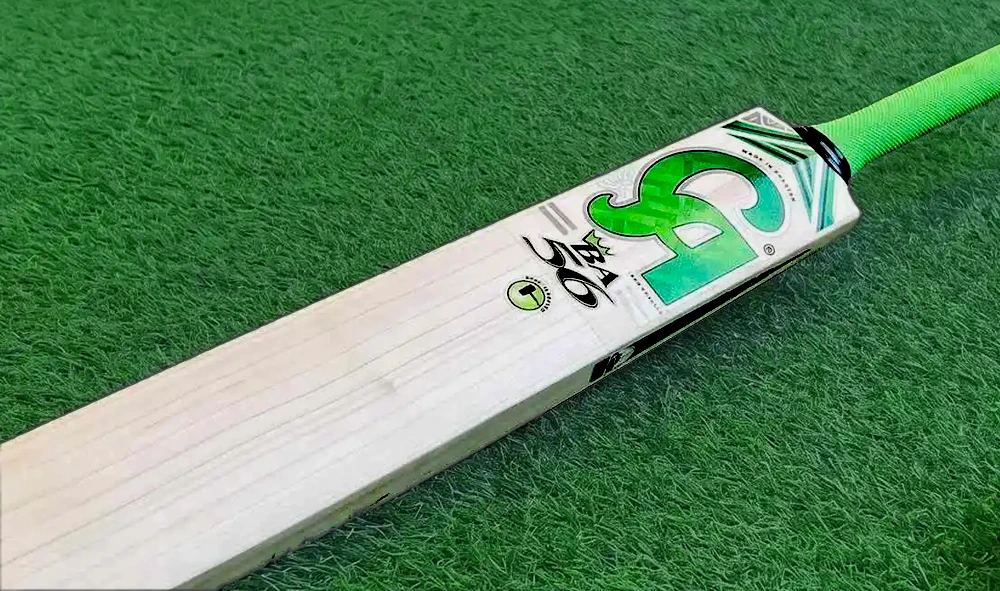

Recent Blog
25 Nov 2026
How Does Cricket Bat Profile Affect Your Shots?
23 Nov 2026
LBW in Cricket: Rules, Meaning and How to Avoid It
31 Oct 2026
Are Expensive Cricket Bats Better Than Cheap Ones?
10 Oct 2026
What Bat Shapes Do Professional Cricketers Use?

29 Sep 2026
Which Cricketers Wear a CA Sports Cricket Helmet?
29 Sep 2026
Lightweight vs. Heavy Duty Wicketkeeping Pads – Which is Best for You
05 Sep 2026
How to Choose the Best Cricket Helmets with Advanced Face Guard Technology

31 Aug 2026
What Protection Does a Fast Bowler Actually Need?