
LBW in Cricket: Rules, Meaning and How to Avoid It
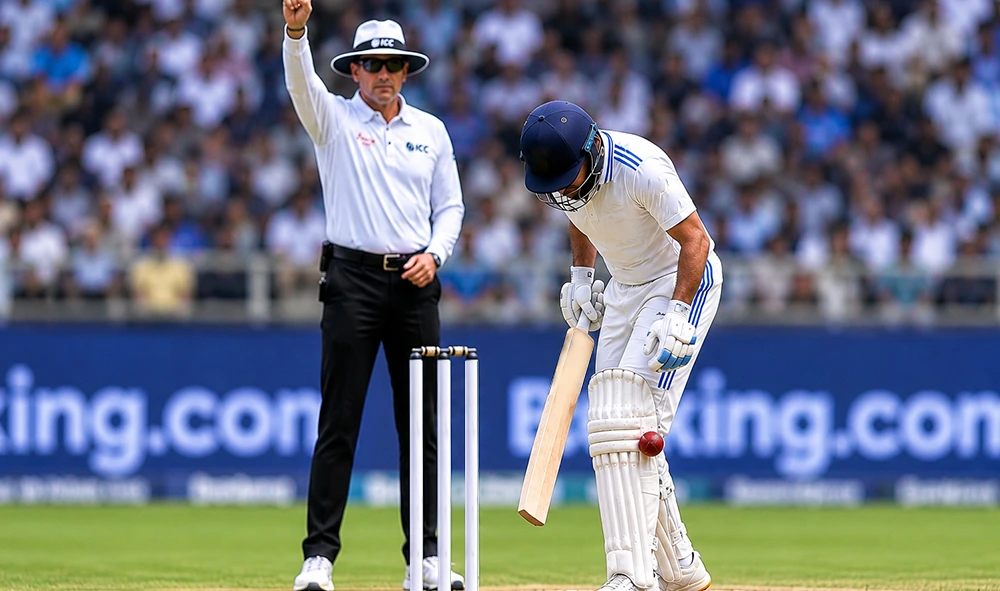
LBW is one of the most debated decisions in cricket, and also one of the most misunderstood. New fans find it confusing, and even experienced players argue about it. The rule itself is not as complicated as it looks once you break it into a few clear checks. This guide explains what LBW means, the exact conditions an umpire looks for, how technology decides close calls, and what a batter can do to avoid being given out this way.
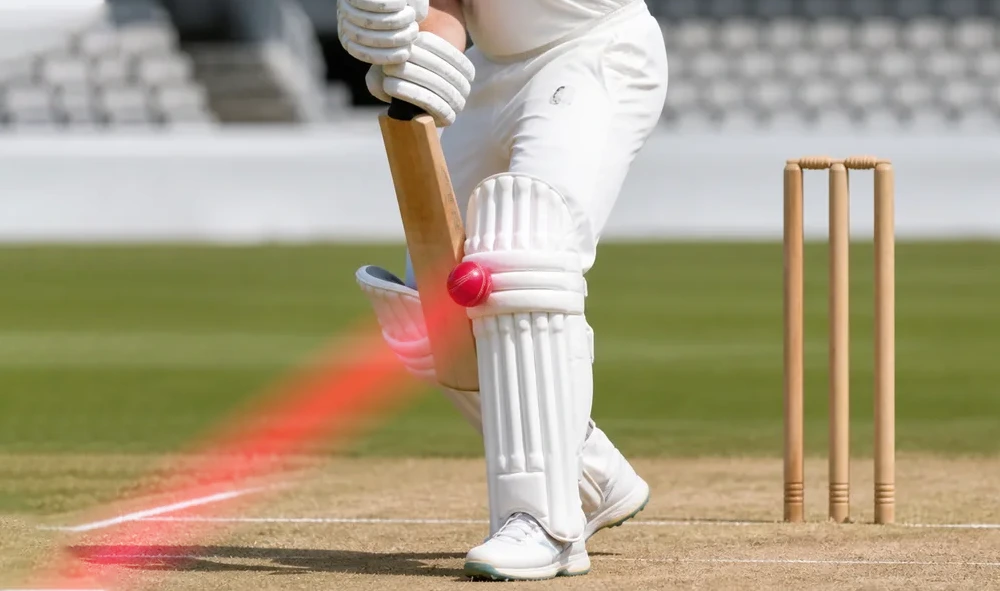
Quick answer: LBW stands for Leg Before Wicket. A batter is out LBW when the ball hits any part of their body, usually the pad, before it hits the bat, and the umpire judges that the ball would have gone on to hit the stumps. A few extra conditions decide close cases, which we explain below.
What LBW Means
The letters stand for Leg Before Wicket. The idea behind the rule is fair play. Without it, a batter could simply stand in front of the stumps and block every delivery with their pads, and the bowler would rarely take a wicket. LBW stops that, while still protecting the batter from unfair decisions through a clear set of conditions.
Note that although the word "leg" is in the name, the ball can strike any part of the body apart from the hands and still count. The hands up to the wrist are treated as part of the bat, and batting gloves count as hands. In practice, most LBW decisions involve the ball striking the pads on the front leg.
The Three Checks an Umpire Makes
When the fielding side appeals, the umpire works through three questions in order. The answer has to be yes to all three for the batter to be out.
Where did the ball pitch? If the ball bounced outside the line of leg stump, the batter is safe, no matter what happens next. If it pitched in line with the stumps or outside off stump, the appeal stays alive.
Where did it hit the batter? The point of impact must be in line with the stumps. There is one important exception. If the impact is outside the off stump line, the batter can still be out, but only if they made no real attempt to play the ball.
Would the ball have hit the stumps? The umpire must be satisfied that the delivery was heading on to hit the wicket, including the bails, had the pad not been in the way.
On top of these three, one rule sits above everything. If the ball touches the bat before it touches the pad, it can never be LBW, even if every other condition is met.
A Simple Decision Table
Situation | Decision |
Ball pitches outside leg stump | Not out |
Ball hits the bat before the pad | Not out |
Impact outside off stump while playing a shot | Not out |
Impact outside off stump, no shot offered, ball hitting stumps | Out |
Pitches in line, hits in line, ball hitting stumps | Out |
This is the quickest way to read a close appeal. Walk through pitching, then impact, then whether the ball was hitting, and the answer usually becomes clear.
How DRS and Umpire's Call Work
In televised cricket, teams can challenge an LBW decision through the Decision Review System. Each side gets a set number of reviews per innings, and a successful review is kept. To ask for one, the captain or batter makes a T shape with their hands within a few seconds of the decision.
The third umpire then uses ball tracking to show where the ball pitched, where it struck the batter, and the path it would have taken. When the ball is shown to be only clipping the stumps, the original on field decision stands. This is known as an umpire's call, and it is why the very same delivery can be out if the umpire raised the finger and not out if they did not. It is not a flaw in the system. It simply respects the small margin of error in the technology.
How Batters Avoid Being Given Out LBW
This is where the rule becomes practical rather than theoretical. A few habits reduce your LBW risk.
Play straight and get your pad beside the line, not in front of it. Bringing the bat down close to the pad means you are far more likely to hit the ball first, which rules out LBW.
Move your feet to the pitch of the ball. The further forward you get, the harder it is for the umpire to be sure the ball was still hitting the stumps.
Be careful across the line. Sweeps and flicks played across a straight ball are a common way to be trapped, especially against spin.
Know your off stump. Leaving a ball on the basis that it is missing off stump is fine, as long as you are sure, because the no-shot exception can still get you out.
Good leg protection does not stop an LBW decision, but it keeps you safe while you learn to play straight and trust your pads. A properly fitted pad lets you commit to the ball with confidence. You can see fitted options in the CA Sports batting leg pads range, part of the wider CA Sports protection gear collection.
A Short History of the Rule
LBW is older than most fans realise. The earliest laws of the game in the eighteenth century had no such rule, partly because the curved bats of the time made it hard to block the stumps with the body. As bats became straighter, some batters began using their pads to stop the ball on purpose, which made the game one-sided. A version of the LBW rule was introduced in the 1770s to put that right, and it has been refined many times since. Today it sits within the Laws of Cricket maintained by the Marylebone Cricket Club, and the arrival of ball tracking has made close calls far more consistent than they once were.
Frequently Asked Questions
Can you be out LBW without playing a shot?
Yes. If the ball strikes you in line with the stumps and would have hit them, you can be given out even if you did not attempt to play the ball.
Why is a ball pitching outside leg stump never out?
This protects the batter from negative bowling aimed down the leg side, where it would be very hard to play a normal shot. A delivery that pitches outside leg cannot be LBW, whatever happens afterwards.
Does the ball have to hit the leg?
No. Despite the name, the ball can strike any part of the body except the hands and still result in an LBW, as long as the other conditions are met.
Can you be out LBW off a no ball?
No. The delivery must be legal. A no ball cannot produce an LBW dismissal.
What is the umpire's call in simple terms?
It means the ball tracking showed the delivery only just clipping the stumps, so the on-field umpire's original decision is kept rather than overturned.
By the CA Sports Cricket Gear Expert, CA Sports Editorial Team. A cricket specialist who works with batting and protective equipment every day, helping players understand both the game and their gear.

Recent Blog
23 Nov 2026
LBW in Cricket: Rules, Meaning and How to Avoid It
31 Oct 2026
Are Expensive Cricket Bats Better Than Cheap Ones?
10 Oct 2026
What Bat Shapes Do Professional Cricketers Use?
29 Sep 2026
Which Cricketers Wear a CA Sports Cricket Helmet?
29 Sep 2026
Lightweight vs. Heavy Duty Wicketkeeping Pads – Which is Best for You
05 Sep 2026
How to Choose the Best Cricket Helmets with Advanced Face Guard Technology

31 Aug 2026
What Protection Does a Fast Bowler Actually Need?
28 Aug 2026
Do You Actually Need a Cricket Arm Guard?