
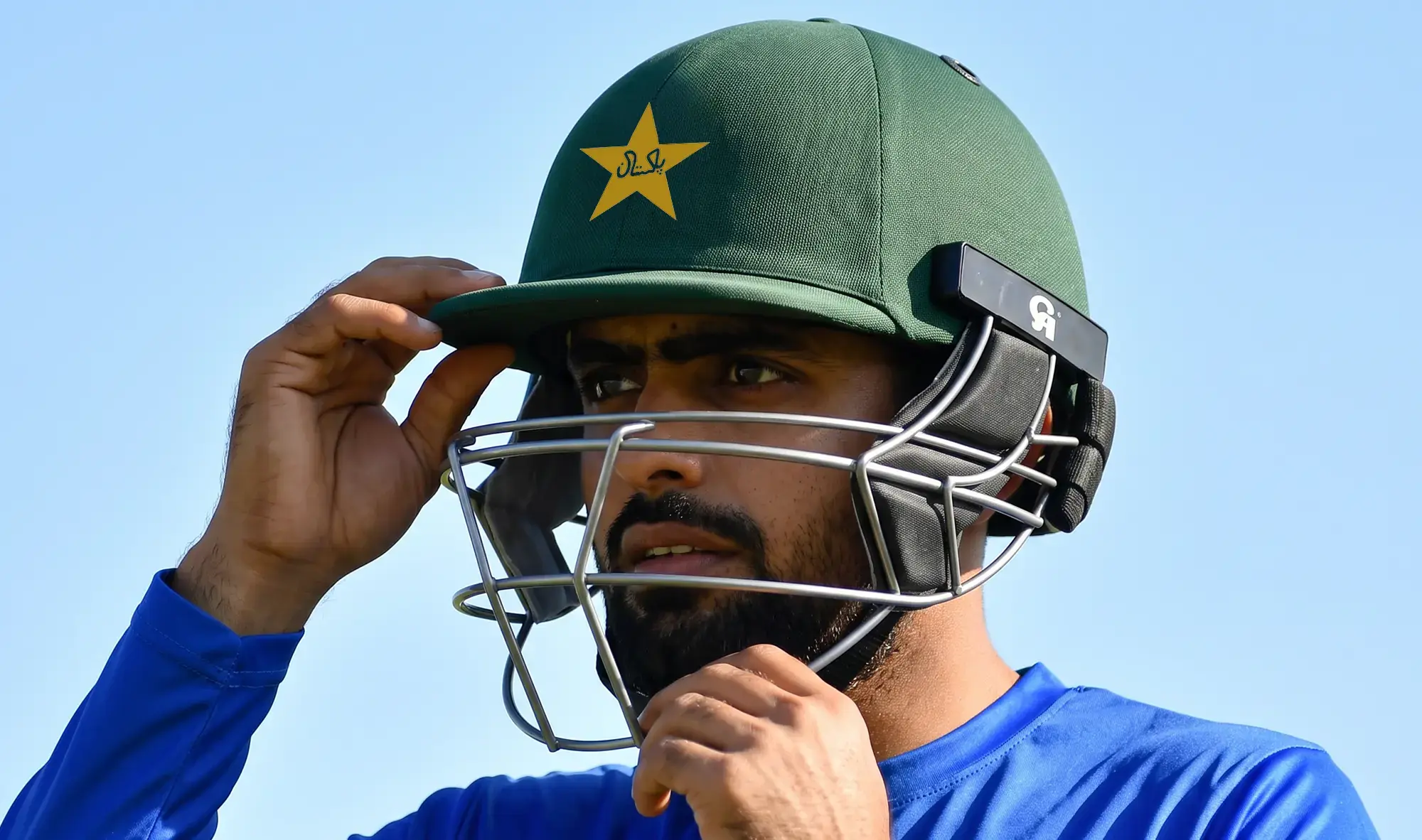
How to Choose the Best Cricket Helmets with Advanced Face Guard Technology
Most people advise you on which helmet to buy. But this guide teaches you to judge one yourself. That matters because the words on a box — advanced, pro-grade, tested — carry no weight at all. What carries weight is a label inside the shell, a grille that sits the right distance from your face, and a fit that does not move when you do.
By the end of this, you will be able to pick up any Cricket Helmet, anywhere, and tell within a minute whether it is worth wearing.
Start With the Label, Not the Marketing
Every cricket helmet carries a label inside the shell stating the safety standard it was tested against. That label is the only claim on the entire helmet that has been independently verified.
The standard to look for is BS 7928:2013, or the updated BS 7928:2013+A1:2019. The International Cricket Council requires that any helmet worn in international cricket complies with this British Standard, and it publishes a list of helmets that currently meet it.
The 2019 amendment matters. It added a facial contact projectile test — checking not only whether a ball can pass through the faceguard, but whether the impact drives the guard back into the face. The test methods behind it were developed at Loughborough University's Sports Technology Institute, funded by an ICC grant with support from the ECB, Cricket Australia and the British Standards Institution.
The label also tells you which ball size the helmet was tested against. Helmets are tested separately against a men's ball of 5½ ounces and a junior ball of 4¾ ounces. This is not a detail to skip past.
One myth to clear up now. You will see helmets advertised as "ICC approved." No such approval exists. The ICC does not test or certify helmets. It references the British Standard, and accredited laboratories do the testing. If a listing claims ICC approval and shows no BS number, treat that as a warning sign.
Steel or Titanium? The Honest Answer
This is the question buyers agonise over, and the answer is simpler than the marketing suggests.
Both pass the same safety standard. The choice between a steel and a titanium grille comes down to weight, comfort and budget — not level of protection.
Steel gives you full certified protection at the best value. It is the choice most club, school and junior players make, and there is nothing second-rate about it.
Titanium costs more and weighs noticeably less. That difference matters if you bat for long periods, or wear a helmet across a full season.
If your budget is fixed, spend it on fit before you spend it on titanium. A correctly fitting steel-grille helmet protects you better than a loose titanium one.
What the Face Guard Actually Has to Do
The grille in front of your face has three jobs, and it has to do all of them at once.
Stop the ball passing through: The gaps between bars must be narrow enough that a cricket ball cannot squeeze through at speed or at an angle.
Stop the ball driving the guard into your face: The grille needs enough rigidity that a direct hit does not transfer straight through to your nose, cheek, or jaw. This is what the 2019 facial contact test was written to check.
Stay in position: A grille that shifts or loosens after the first impact has already failed for the second one.
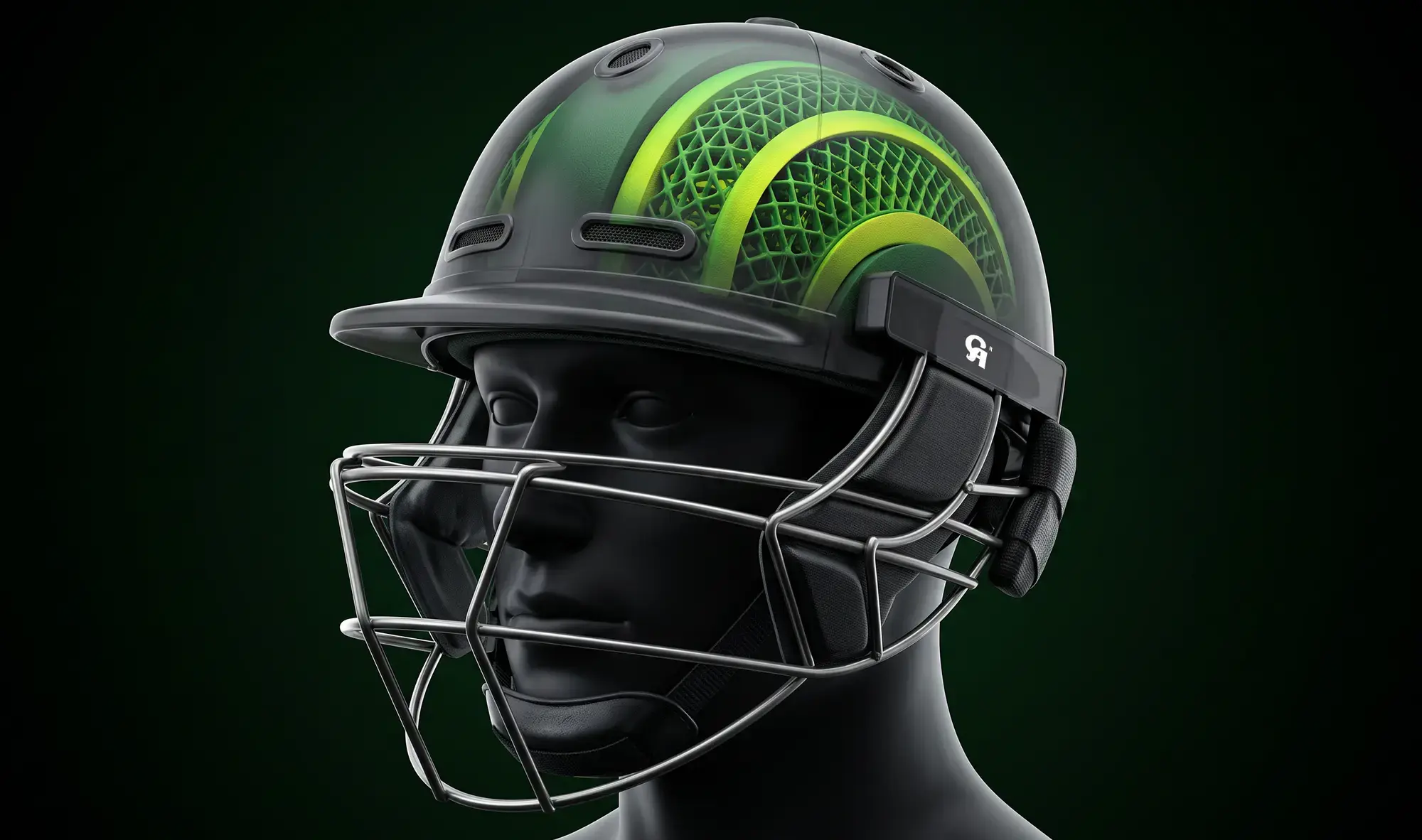
The detail almost nobody checks is the gap between the peak and the top of the grille. On a well-designed helmet, that gap is too small for a ball to enter. On older designs, it can be wide enough to matter.
How to Spot an Outdated Grille
Three checks, no tools needed:
Peak-to-grille gap: Sight along the underside of the peak. A visible gap between the peak and grille is a design generation behind.
Peak rigidity: Press it. A thin, flexible peak belongs to an older helmet.
Grille fittings: Adjustable grilles secured with visible white nuts typically indicate a pre-2013 design.
Any one of these, combined with no BS label, means the helmet has reached the end of its useful life.
Fit Beats Features Every Time
A helmet that does not fit is not a safety product. It is a hat.
Measure first. Take a tape measure around your head, level, roughly a centimetre above your eyebrows and around the widest part of the skull. That circumference is your starting number — and you should check it against the specific model you intend to buy, because sizing is not consistent between manufacturers.
Then test it properly.
Put the helmet on and fasten the strap as you would in a match — not resting loose.
Look straight ahead. The grille should sit clear of your nose and chin.
Shake your head side to side, then nod. The helmet should move with you, not on you.
If it rocks, slides, or presses hard on one point, it is the wrong size or the wrong shape.
That last point is worth repeating. If it shifts when you move your head, it is the wrong helmet — regardless of what it cost or what features it lists.
Buying for a Junior
Two things separate a proper junior helmet from a small adult one.
Certification against the right ball. A junior helmet tested against a 4¾ ounce junior ball is not certified for an adult ball. If your child plays with a hard adult ball — in open-age cricket, at an academy, or in the nets — they need a helmet tested against the adult ball. The label tells you which. This is one of the most common and least discussed gaps in junior kit.
Proper junior construction. Good junior helmets are sized and shaped for young heads, not simply scaled down from adult shells. A scaled-down adult helmet sits differently and covers differently.
And check the fit each season. Children outgrow helmets long before helmets wear out, and a loose helmet on a growing head is a real problem.
Head Shape, Not Just Head Size
Here is a question most buyers never think to ask: two players can measure the same and still need different helmets.
Head circumference tells you the size. It tells you nothing about shape. Some skulls are rounder, some more oval front-to-back, and helmet shells differ in internal shape between manufacturers.
The practical signs of a shape mismatch:
The helmet measures correctly but presses hard at the front and back, with gaps at the sides — or the reverse
It sits high on your head rather than settling down onto it
It feels fine at first and produces a pressure headache after an hour
If a helmet in your correct size still feels wrong, stop adjusting the padding and try a different model. You are not between sizes. You are in the wrong shape of shell.
Heat, Airflow and Long Innings
Most helmet guides are written in England, where ventilation is treated as a comfort feature. In Pakistan it is closer to a safety feature — because a helmet that becomes unbearable is a helmet that comes off.
What to look for:
Vent placement: Vents should sit away from the main impact zones. Airflow is achieved by where the openings are, not by how many there are.
Liner material: Padding that traps sweat becomes heavy and uncomfortable within an hour, and holds odour for the rest of the season.
Overall weight: Weight fatigue is cumulative. A lighter helmet is easier to keep wearing through a long innings in real heat.
Judge this the way you would judge fit: wear the helmet for a full net session in match conditions before you rely on it in a match. Ten minutes in an air-conditioned shop tells you nothing about how it performs at 40°C.
Matching the Helmet to Your Cricket
The right level of protection depends on what you actually do on the field. The ECB's recreational guidance is a useful reference point here.
Adults are recommended to wear a helmet with a faceguard or grille when:
Batting in a game, against any type of bowling
Batting in nets or practice, whether against a bowler or a bowling machine
Wicketkeeping while standing up to the stumps
Fielding closer than 8 yards — about 7.3 metres — from the striker
Under-18s face stricter rules. In England and Wales, a helmet with a faceguard or grille must be worn when batting against a hard ball, in matches and in practice sessions alike.
Wicketkeepers have an alternative. A keeper may wear a face protector instead of a full helmet, and the ECB recommends one meeting British Standard BS 7929-2:2009.
One habit worth building regardless of level: do not take your helmet off while balls are still being bowled, including at the non-striker's end.
If you have already decided on CA and want help choosing within the range, our guide to picking the right CA helmet for club and league play covers that decision separately.
Buying a Genuine Helmet in Pakistan
Cricket gear sells through a wide informal market across Pakistan, and this is the one category where a counterfeit is genuinely dangerous. A fake helmet is worse than no helmet, because you will trust it.
Counterfeiters copy branding. They do not copy testing, foam density, or grille steel. Check the things you can actually see:
Is there a label inside the shell, and does it name a standard? No label means no verified certification, whatever the box says.
Peak-to-grille gap and peak rigidity. Use the checks above.
Grille fixings. Loose, rattling, or crudely finished mountings.
Internal padding. Thin, uneven, or poorly glued liners.
Finish quality. Rough edges, misaligned vents, and sloppy stitching are the first tells.
If you are buying CA equipment, you can check whether your gear is genuine CA Sports using our product verification tool, or buy from an authorised CA Sports dealer and avoid the question entirely.
When to Replace a Cricket Helmet
Protective foam works by crushing. Once crushed, it does not recover — and it can look completely normal while protecting you less than it did.
Replace immediately if any part of the helmet has taken a severe blow. The ICC's guidance is explicit that a component needs replacing after a severe impact even when no damage is visible.
Reassess when you see: cracks or dents in the shell, compressed or hardened padding, a bent or loose grille, frayed straps, or corroded fittings.
On age, many retailers suggest replacing after around three years of regular use. Treat that as a sensible convention rather than a rule — it is not a requirement of the British Standard.
For juniors, growth will retire a helmet long before wear does.
What a Helmet Cannot Do
This part matters, and most guides skip it.
A helmet reduces risk. It does not remove it. The ICC states plainly in its own guidance that a helmet or faceguard cannot always prevent death or long-term disability, and that the level of protection depends on the specific circumstances of any impact.
That is not a reason to wear less protection. It is a reason to treat the helmet as one part of playing safely — alongside sound technique, watching the ball, and knowing when a delivery is not there to be played.
Conclusion
Pick the helmet up. Find the label and read the standard and the ball size. Check the peak-to-grille gap and press the peak. Put it on, fasten the strap, and shake your head. If it moves, it is not your helmet.
Everything else — grille material, colour, brand, price — is a distant second to those four checks.
Do them properly, and you will never buy the wrong helmet again.
Browse CA Sports cricket helmets → Manufactured in Sialkot since 1958.
FAQs
How do I choose a cricket helmet?
Ans: Check the certification label first, then fit, then everything else. A certified helmet that fits correctly protects better than an expensive one that does not.
Is titanium better than steel for cricket helmets?
Ans: It is lighter, but not safer. Both grille types pass the same safety standard. Titanium reduces weight and costs more.
Are cricket helmets ICC approved?
Ans: No. The ICC does not approve or test helmets. It requires compliance with British Standard BS 7928 in international cricket, and accredited laboratories certify to it.
How do I know my cricket helmet size?
Ans: Measure your head circumference about a centimetre above the eyebrows, then check that measurement against the specific model. Sizing varies between manufacturers.
Do junior helmets need different certification?
Ans: Yes. Helmets are tested against either a junior ball, an adult ball, or both, and the label states which. A junior playing with an adult ball needs a helmet certified against the adult ball.
How often should you replace a cricket helmet?
Ans: Immediately after any severe impact, even with no visible damage. Otherwise, around three years of regular use is a common guideline rather than a requirement.
How do I know if a cricket helmet is genuine?
Ans: Look for a certification label inside the shell, check the peak-to-grille gap and grille fixings, inspect the padding and finish, and buy from an authorised dealer.
Should wicketkeepers wear a helmet?
Ans: Keepers standing up to the stumps are recommended to wear head protection. A face protector meeting BS 7929-2:2009 is an accepted alternative to a full helmet.
Does a heavier helmet mean more protection?
Ans: No. Weight comes from materials and construction, not from the certified protection level. A heavier helmet is simply harder to wear for long periods.

Recent Blog
10 Oct 2026
What Bat Shapes Do Professional Cricketers Use?
29 Sep 2026
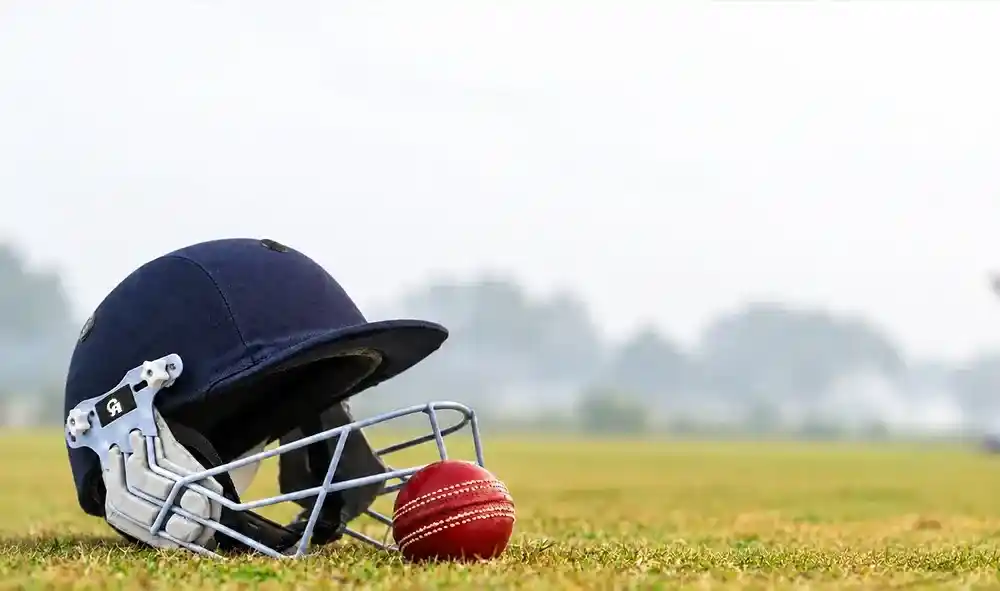
Which Cricketers Wear a CA Sports Cricket Helmet?
29 Sep 2026
Lightweight vs. Heavy Duty Wicketkeeping Pads – Which is Best for You
05 Sep 2026
How to Choose the Best Cricket Helmets with Advanced Face Guard Technology
31 Aug 2026
What Protection Does a Fast Bowler Actually Need?
28 Aug 2026
Do You Actually Need a Cricket Arm Guard?
28 Aug 2026
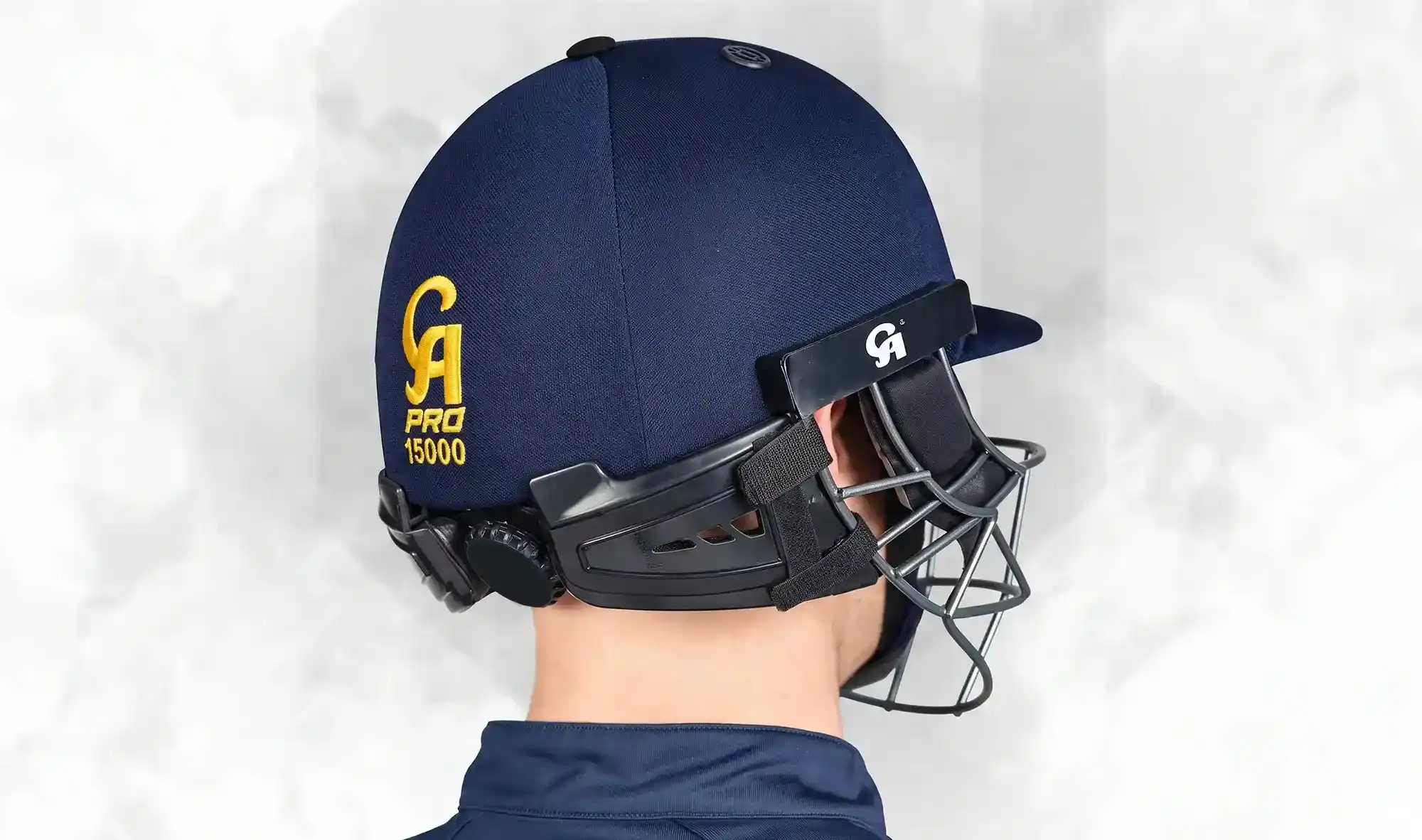
Why Your Helmet and Neck Guard Are Crucial
22 Aug 2026
How to Replace a Cricket Bat Grip?