
How to Knock In a Cricket Bat Properly: A Step-by-Step Guide
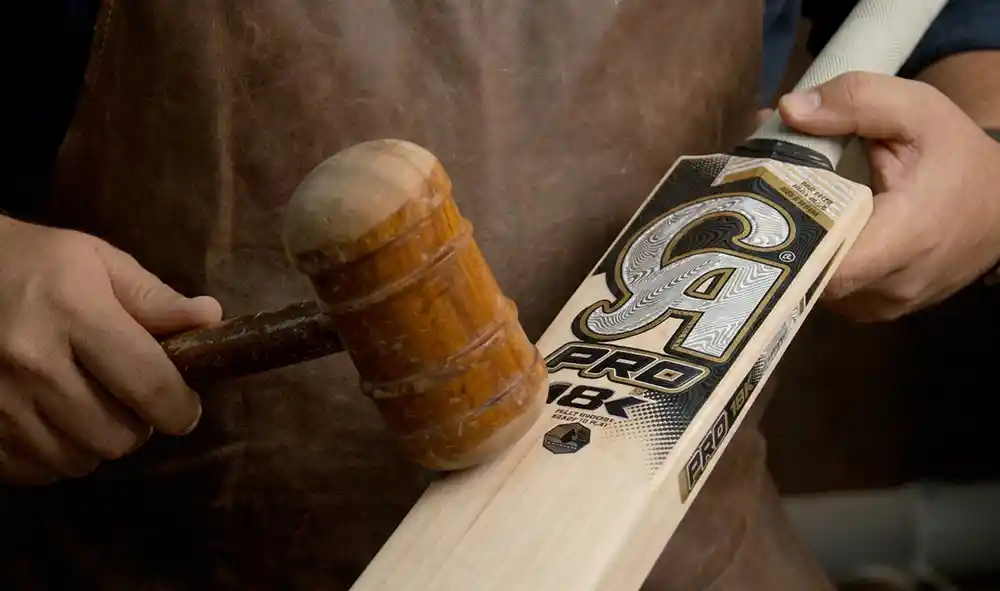
A new cricket bat is not ready to play straight out of the box. To knock in a cricket bat properly, tap a wooden or rubber mallet across the face, edges, and toe for several hours over multiple days, gradually increasing the force until the willow feels firm and compressed. This process protects the bat from cracking and helps it perform at its best for longer.
Skipping this step is one of the most common mistakes new players make. Many players buy a good bat and damage it in the first few overs because the willow was never prepared for impact.
Why Knocking In Matters
Cricket bats are made from willow, usually English willow, which is soft and full of natural moisture when freshly pressed. This softness is what gives the bat its power and feel. But it also means the surface fibers are loose and vulnerable to damage from a hard cricket ball.
Knocking in compresses these fibers slowly. It closes up the open grain on the surface and creates a hard, protective layer. Without this layer, the ball can crush the fibers on impact, leading to cracks, seam marks, and a bat that breaks down early.
What You Need Before You Start
Getting the right tools ready makes the process much easier.
- A wooden or rubber knocking-in mallet (not a hammer)
- A new or slightly worn cricket ball
- Raw linseed oil (only for untreated bats, applied before knocking in)
- Time and patience, spread across several days
If your bat already comes pre-treated or "bat ready," oiling is usually not needed. Always check the label or ask the manufacturer, since applying oil to a pre-oiled bat can affect its performance.
Step-by-Step Guide to Knocking In a Cricket Bat
Step 1: Oil the Bat (Only If Required)
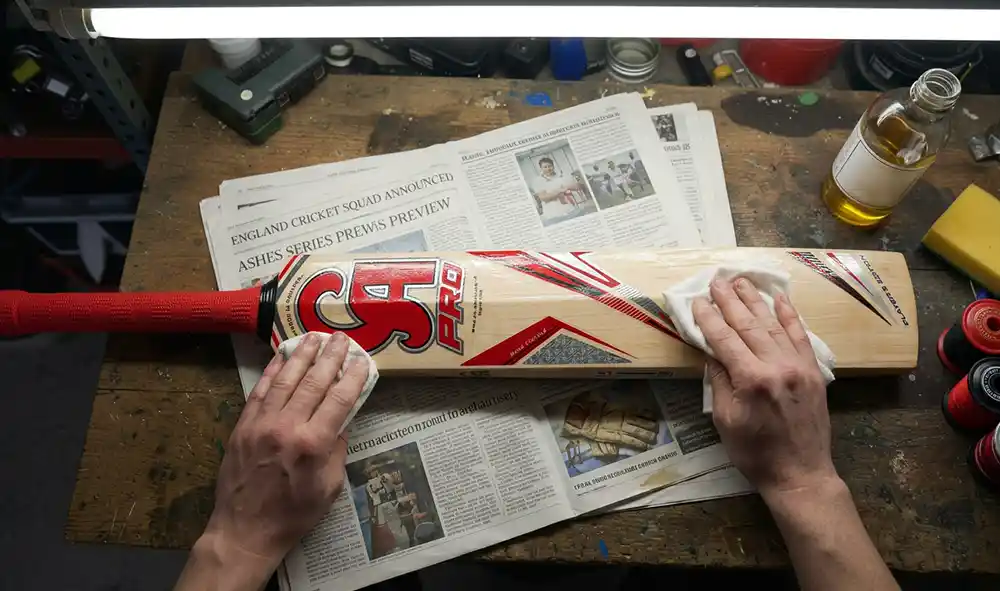
If the bat is untreated, apply a light coat of raw linseed oil to the face, edges, and toe using a soft cloth. Avoid the splice and the sticker area. Let it absorb for 24 hours, then wipe off any excess before you begin knocking in.
Step 2: Start with Light Taps
Using the mallet, tap gently across the full face of the bat. Focus on covering every inch, not just the middle. At this stage, the goal is to soften the surface fibers evenly, not to hit hard.
Step 3: Move to the Edges and Toe
The edges and toe take the most impact during real play and crack more easily if ignored. Angle the mallet to strike these areas directly, spending extra time here compared to the flat face.
Step 4: Increase the Force Gradually
Over the next few sessions, hit harder as the willow starts to feel firmer under the mallet. A properly knocked-in bat will start to sound different, producing a duller, more solid thud instead of a soft, dead sound.
Step 5: Play It In With an Old Ball
Once the bat feels reasonably firm, use an old, softer ball for some throw-downs or gentle net practice. This step bridges the gap between mallet work and match-intensity impact, letting the bat adjust to real bowling speeds.
Step 6: Check the Surface Regularly
Inspect the face and edges for any seam marks, dents, or early signs of cracking. Light marks are normal. Deep dents or splitting mean the bat needs more knocking in before facing full-pace bowling.
How Long Does Knocking In Take?
Most bats need around 6 to 10 hours of knocking in, spread across several days rather than done in one sitting. Rushing the process is one of the biggest reasons bats fail early. Willow needs time to compress gradually, and short daily sessions work far better than one long marathon effort.
Common Mistakes to Avoid
- Using a hammer instead of a mallet. A hammer strikes too hard and can crush the fibers instead of compressing them.
- Skipping the edges. Many players focus only on the face and leave the edges soft, which is where most cracks start.
- Rushing straight into match play. A bat that goes straight from the shop to a hard new ball is at high risk of cracking.
- Over-oiling the bat. Too much linseed oil makes the willow soft and heavy instead of protecting it.
- Ignoring storage conditions. Keep the bat in a cool, dry place. In humid climates, moisture can soften the willow again even after knocking in is complete.
FAQ
How many hours does it take to knock in a cricket bat?
Most bats need 6 to 10 hours of knocking in, done gradually over several days rather than in one long session.
Can I use a bat without knocking it in?
You can, but the risk of cracking is much higher. A properly knocked-in bat lasts longer and performs more consistently.
Do all English willow bats need oiling?
No. Many bats now come pre-treated or "bat-ready" from the manufacturer. Check with the seller before applying any oil.
What is the best tool to knock in a cricket bat?
A wooden or rubber knocking-in mallet works best. It spreads the impact evenly without crushing the willow fibers.
Explore CA Sports' range of premium English willow cricket bats, crafted in Sialkot and trusted by players worldwide. Shop CA Sports cricket bats today and get expert knocking-in advice with every purchase.

Recent Blog

05 Sep 2026
How to Choose the Best Cricket Helmets with Advanced Face Guard Technology

31 Aug 2026
What Protection Does a Fast Bowler Actually Need?
28 Aug 2026
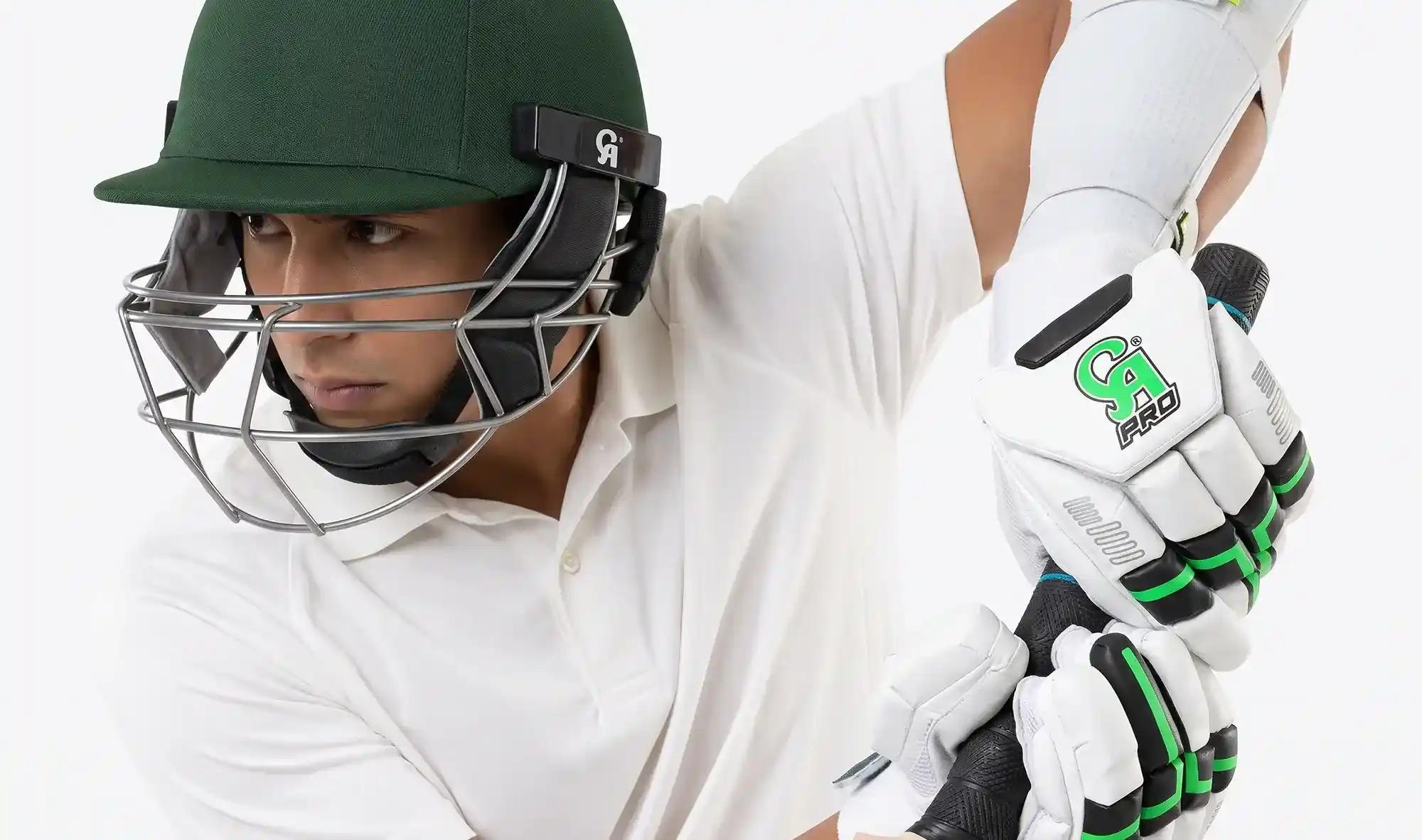
Do You Actually Need a Cricket Arm Guard?
28 Aug 2026
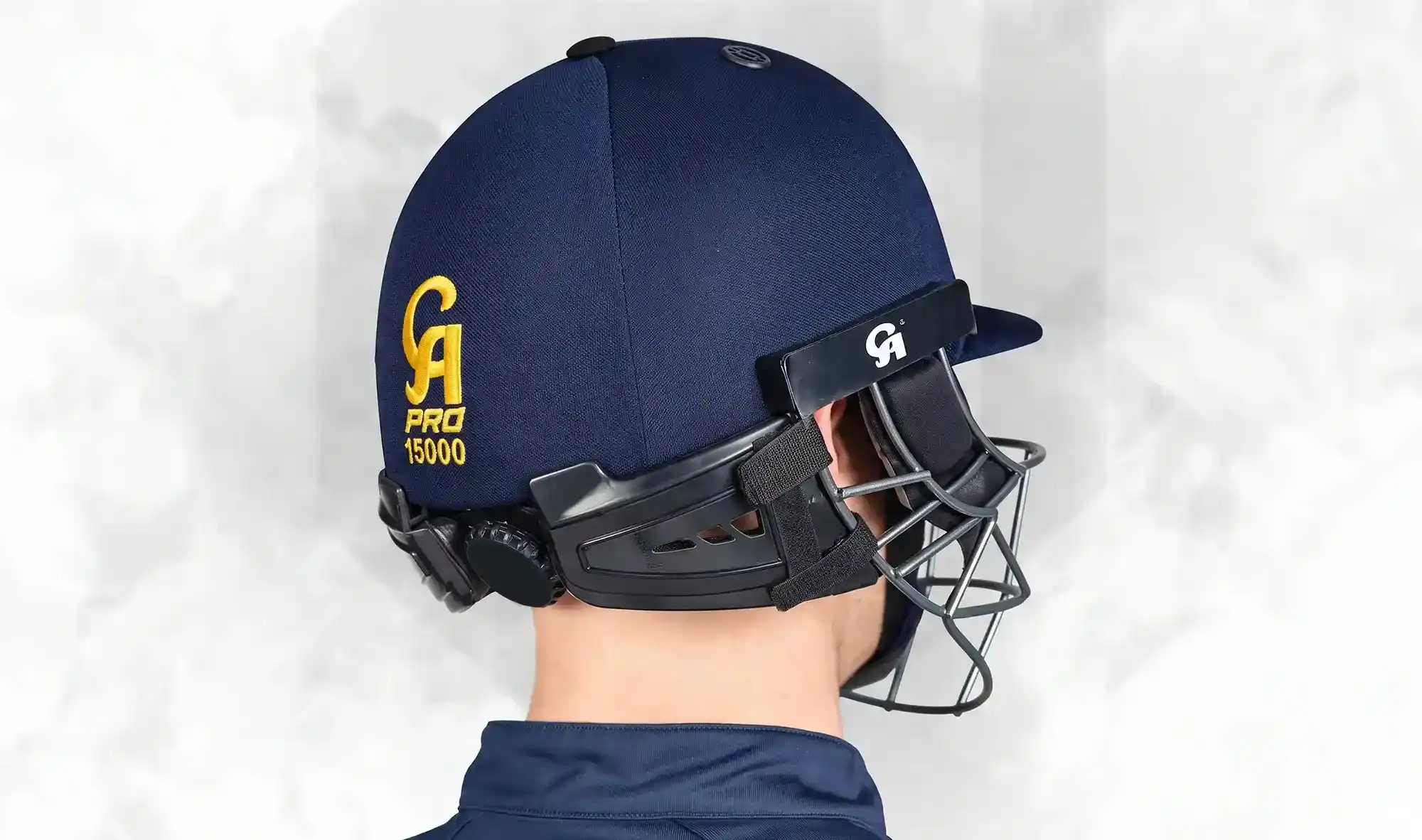
Why Your Helmet and Neck Guard Are Crucial
22 Aug 2026
How to Replace a Cricket Bat Grip?
12 Aug 2026
The Role of Carbon Fiber in Modern Cricket Bat Handles
30 Jul 2026
How to Knock In a Cricket Bat Properly: A Step-by-Step Guide
23 Jul 2026
Cricket Bat Grains Explained: What 5, 7, and 10 Grains Really Mean